Flowers Font: Bring Handwritten Charm to Your Creative Projects
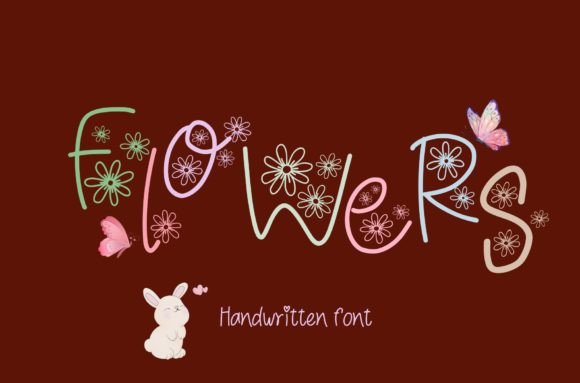
Typography is more than just arranging letters—it's about conveying emotion, enhancing readability, and aligning with your brand’s voice. For designers, marketers, educators, and small business owners alike, choosing the right font can make a significant difference in how their message is received. One such typeface that stands out for its warmth and versatility is the Flowers handwritten font. With its soft curves, organic flow, and inviting aesthetic, Flowers adds a personal touch to everything from branding materials to children’s merchandise.
The Unique Appeal of Flowers
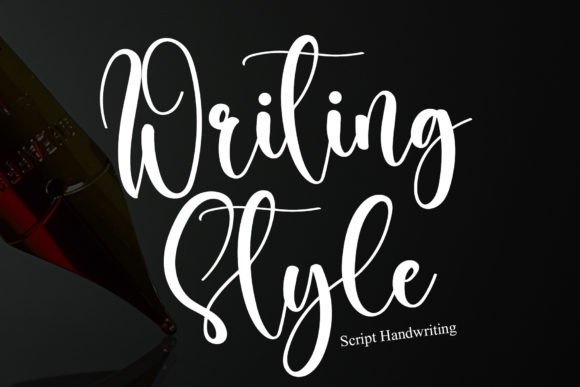
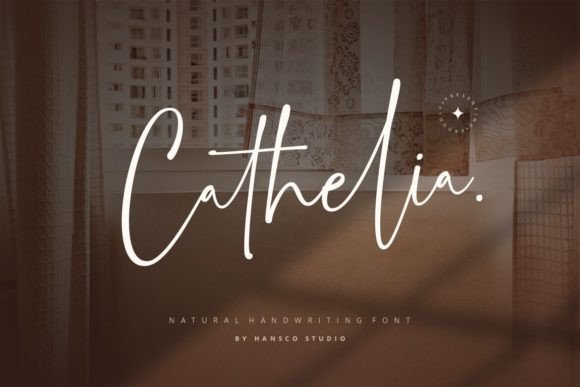
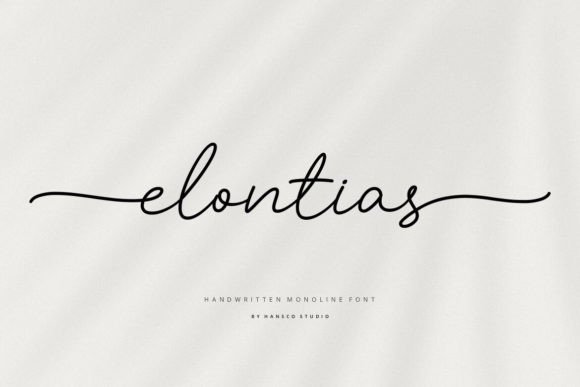
Handwritten fonts like Flowers are designed to mimic natural calligraphy or cursive writing, offering an approachable and artistic feel. Unlike rigid, sans-serif, or serif typefaces, this font brings a sense of authenticity and creativity to any project. Whether you're crafting a wedding invitation, designing a t-shirt, or creating social media content, Flowers helps you stand out by adding visual personality without overwhelming the design.
What makes Flowers particularly special is its balance between elegance and playfulness. It reads clearly at most sizes while maintaining the charm of a hand-drawn script. This duality allows it to work well across both digital and print mediums, making it a valuable asset for creators who need flexibility in their typography choices.
Practical Uses Across Industries
Professionals in various fields have found creative ways to integrate Flowers into their workflows. Here are some of the most impactful use cases:
- Branding & Logos: A logo using the Flowers font can evoke trust and friendliness—perfect for businesses targeting families, wellness, or lifestyle niches.
- Wedding Invitations: The romantic and delicate nature of the font gives wedding stationery a timeless and intimate look.
- Business Cards: Stand out from the competition with a custom business card that uses Flowers to reflect a unique and personal style.
- Greeting Cards: Add a heartfelt touch to greeting cards with the expressive strokes of the Flowers font.
- Magazines & Websites: Use Flowers for headlines or pull quotes to create a focal point that draws readers in naturally.
- Children’s Designs: Educators and toy designers often choose Flowers because its playful yet readable style appeals to young audiences.
- T-Shirts & Mugs: Merchandise featuring the Flowers font tends to resonate more with customers due to its friendly and approachable vibe.
Each of these applications benefits from the font’s ability to blend professionalism with a human element. For instance, a boutique bakery might use Flowers on its packaging to suggest a homemade feel, while a freelance artist could use it on promotional posters to highlight their creative flair.
Why Designers Prefer Flowers Over Generic Fonts
In a sea of standardized typefaces, the Flowers font offers something refreshing: character. It’s not just a tool for displaying text; it’s a storytelling device. Its subtle variations in stroke width and letter spacing allow for a more dynamic composition compared to many other handwritten fonts. This means you can create visually rich layouts without sacrificing legibility.
For entrepreneurs launching a new product line, especially in niche markets like handmade goods or eco-friendly brands, the font serves as a silent ambassador. It communicates values like care, craftsmanship, and community through its very appearance. In contrast, generic fonts may fail to capture the essence of a brand’s identity.
Improving Communication Through Typography
Clear communication is essential in any project, but the way information is presented matters just as much. When used appropriately, the Flowers font can help strengthen messaging by aligning it with the emotional tone you want to convey. For example, if you’re promoting a mindfulness app, using Flowers for key phrases like “Breathe Easy” or “Find Calm” can enhance the overall experience and encourage user engagement.
Marketers, too, benefit from this kind of typographic alignment. A campaign aimed at parents might use Flowers in email headers or social posts to appear more relatable and less corporate. The same goes for bloggers looking to build a warm and welcoming online presence. Subtle shifts in font choice can significantly influence how audiences perceive your message.
Boosting Creativity and Efficiency in Design Workflows
One of the biggest advantages of using a font like Flowers is its role in streamlining the creative process. Instead of spending hours searching for a font that matches your vision, you can quickly apply Flowers and focus more time on refining the rest of your design. This efficiency is crucial for freelancers and small teams with tight deadlines.
Moreover, the font’s adaptability reduces the need for multiple typefaces in a single project. You can pair it with a clean sans-serif for body text or use it in combination with decorative elements to maintain a cohesive look. This simplification not only saves time but also ensures a more polished final product.
Use Cases That Highlight Time Savings
- Event Planning: Wedding planners often rely on pre-made templates for invitations and signage. Integrating Flowers into these templates allows them to offer a personalized look without extra effort.
- Social Media Content: Bloggers and influencers who post regularly can use the font to consistently brand their content, making it instantly recognizable and easier to produce.
- Planner Prints: The font works exceptionally well in bullet journaling and planner designs, where a mix of structure and creativity is essential.
- Poster Design: From school events to local art shows, posters with the Flowers font tend to attract attention more effectively due to their visual appeal.
By reducing the guesswork involved in font selection, Flowers enables users to focus on what they do best—designing, writing, and building meaningful connections with their audience.
Who Can Benefit Most from Using Flowers?
While the font is versatile, certain professionals and creatives will find it particularly useful:
- Graphic Designers: Those working on client projects related to lifestyle, education, or personal branding will appreciate its flexibility and charm.
- Entrepreneurs: Startups and small businesses aiming to build a strong emotional connection with their audience can leverage the font to enhance their visual identity.
- Teachers and Educators: The font is ideal for classroom materials, interactive learning tools, or children’s books where a gentle and engaging look is desired.
- Freelance Writers and Bloggers: Adding Flowers to headings or featured quotes can make written content feel more inviting and authentic.
- Merchandise Creators: Print-on-demand artists and e-commerce sellers benefit from its ability to add personality to products like mugs, shirts, and stickers.
These individuals often juggle multiple projects and need fonts that can adapt without requiring constant tweaks. Flowers fits the bill by being both expressive and functional.
Real-World Examples of Flowers in Action
Let’s look at a few scenarios where the font has made a tangible impact:
- A local coffee shop rebranded using the Flowers font for their logo and packaging. Customers commented on the cozy and artisanal feel of the new design, which led to a 15% increase in foot traffic within a month.
- An independent publisher used the font in the cover titles of a series of children’s storybooks. Sales increased after noticing a stronger emotional response from parents and kids during book fairs.
- A fitness influencer incorporated the font into her Instagram stories and blog headers. Her followers reported feeling more motivated when viewing content with the warm and encouraging typographic style.
These examples illustrate how the right font choice can subtly but powerfully influence perception and engagement.
Considerations and Best Practices
Despite its strengths, the Flowers font isn’t suitable for every context. It shines in settings where a soft, personal, or whimsical tone is appropriate. However, it may not be the best option for long paragraphs of body text or high-contrast environments where clarity is critical.
When deciding whether to use Flowers, consider the following factors:
- Readability: Ensure the font remains legible in your chosen size and background. Avoid overusing ligatures or flourishes that may distract from the message.
- Brand Voice: Does the font align with your brand’s personality? If your brand is formal or technical, another font may be more fitting.
- Project Type: Assess the medium (print vs. digital) and the purpose (headline vs. body copy). Sometimes, pairing it with a more structured font improves overall balance.
It’s also wise to compare it with similar handwritten fonts before finalizing your choice. While Flowers is highly versatile, there are other options that might better suit specific needs, such as those requiring greater formality or a different cultural nuance.
Maximizing Impact Without Compromise
To get the most out of the Flowers font, start by defining your primary goal. Are you aiming to create a warm, family-oriented image for your brand? Is your project targeted toward a younger demographic or educational setting? Answering these questions will help you determine if the font is the right fit.
If you decide to proceed, here are a few tips for effective implementation:
- Limit its use to headlines, logos, or short text blocks to maintain readability.
- Use it in conjunction with complementary fonts to create visual hierarchy.
- Test it across devices and backgrounds to ensure consistency in appearance.
By applying thoughtful design principles, you can harness the full potential of the font while avoiding common pitfalls associated with overly stylized typefaces.
Final Thoughts on Enhancing Your Creative Output
Typography plays a foundational role in how we communicate ideas visually. The Flowers font is a powerful addition to any designer’s toolkit, especially for those seeking to infuse their work with a sense of warmth, individuality, and charm. Whether you’re creating a brand identity, designing event materials, or producing digital content, this font can elevate your visuals and connect with your audience on a deeper level.
Its usefulness extends beyond aesthetics—it supports efficiency, strengthens brand personality, and enhances user experience. By understanding its strengths and limitations, you can make informed decisions that lead to more compelling and professional results.
As you explore new creative opportunities, consider how the Flowers font might bring your ideas to life. Try it out on your next project and see how it transforms your designs into something truly memorable.