Writing Style: An Elegant Handwritten Font for Creative Projects
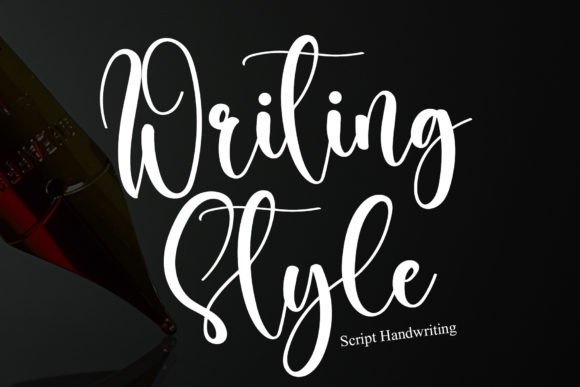
Elegance and simplicity often go hand in hand, especially when it comes to design. Writing Style is a handwritten typeface that captures the warmth and authenticity of human expression while maintaining a refined aesthetic. Whether you're crafting a brand identity or designing a personal project, this font brings a touch of artistry without compromising readability. Its delicate curves and natural flow make it an ideal choice for designers looking to infuse personality into their work.
Why Choose Writing Style for Your Design Needs?
In today's digital world, where everything can feel mass-produced, unique fonts like Writing Style help your content stand out. This typeface offers a sense of intimacy and craftsmanship that is hard to achieve with standard sans-serif or serif fonts. It’s particularly effective in contexts where a personal touch enhances the message, such as invitations, product packaging, and branding materials.
The PUA (Private Use Area) encoding of Writing Style ensures that all glyphs and alternates are easily accessible. This means you won’t miss out on special characters or stylistic variations—no matter what platform you’re using. The font’s versatility makes it a practical solution for both professional and personal design projects.
Enhancing Branding and Logo Design
Branding relies heavily on visual elements to communicate values and aesthetics. Writing Style adds a layer of sophistication and approachability, making it suitable for businesses that want to convey creativity and elegance. For instance, a boutique stationery company might use this font in its logo to reflect the handmade nature of its products. Similarly, a luxury skincare brand could leverage its delicate form to evoke feelings of care and refinement.
Because it strikes a balance between legibility and charm, Writing Style is not just decorative—it’s functional. This makes it a strong candidate for logos that need to be both memorable and readable across various sizes and formats.
Crafting Memorable Social Media Posts
Social media is all about grabbing attention quickly. A well-designed post can increase engagement and build a stronger connection with your audience. Writing Style can elevate the tone of your posts, especially when used in headlines or call-to-action phrases. Its handwritten quality gives off a vibe of sincerity and thoughtfulness, which resonates well with followers who appreciate authenticity.
Consider using Writing Style for Instagram captions or Pinterest banners. These platforms thrive on visual storytelling, and the right font can enhance the narrative. Just be sure to pair it with a complementary sans-serif font for body text to maintain clarity and ensure a smooth reading experience.
Use Case Example: Wedding Invitations
Wedding invitations require a blend of beauty and functionality. Writing Style delivers both with its graceful strokes and clean structure. Imagine a romantic wedding theme where the invitation uses this font to list the names of the couple and event details. It instantly elevates the design and creates a sense of occasion. Moreover, since it supports alternate glyphs, you can customize the look further by varying letterforms to match the overall style of the invitation suite.
Improving Product Packaging and Advertising
Consumers are drawn to products that feel personal and handcrafted. In product design, Writing Style can add that artisanal flair. Think of gourmet food labels, handmade candles, or fashion accessories where the font plays a role in shaping the brand’s image. Its elegant appearance suggests quality and attention to detail, which can influence purchasing decisions subtly but effectively.
When used in advertising, Writing Style can create emotional resonance. For example, a campaign promoting a new line of journals might feature this font prominently to emphasize the idea of personal expression and creativity. However, it’s important to test how the font performs in different sizes and under varying lighting conditions to ensure it remains legible and impactful.
Supporting Creativity in Freelance and Small Business Work
Freelancers and small business owners often juggle multiple creative tasks. Writing Style simplifies the process by offering a versatile tool that fits a range of needs—from client proposals to promotional flyers. Its availability in PUA format allows for easy integration into design software, reducing setup time and increasing workflow efficiency.
Graphic designers who specialize in lifestyle or artistic niches will find this font particularly useful. It aligns well with themes centered around handwriting, nostalgia, or personalization. But even those outside these niches can benefit from using it sparingly to highlight key messages or add visual interest to otherwise flat layouts.
Thoughtful Recommendations for Educators and Publishers
For educators and publishers, typography can play a crucial role in student engagement and reader comprehension. While Writing Style may not be appropriate for long-form text due to its cursive nature, it shines in titles, headers, and educational posters. A teacher creating a classroom newsletter or a publisher designing a book cover can use it to draw attention to specific sections or themes.
Its ability to evoke emotion through design also makes it a great fit for motivational quotes or poetry anthologies. The font’s delicate character encourages a slower, more thoughtful reading experience, which is especially valuable in literary and educational settings.
Strengthening Communication Through Typography
Typography is more than just choosing a font; it's about enhancing communication. Writing Style conveys a message of warmth and individuality, which can strengthen the emotional impact of your content. When designing marketing materials or customer communications, selecting the right typeface helps reinforce the intended tone and message.
Marketers aiming to build trust and connection with their audience may find that using Writing Style in email campaigns or landing pages helps create a more personable feel. That said, it’s always wise to consider the context. Overusing cursive can reduce readability, so it’s best suited for short texts or accents rather than large blocks of information.
Real-World Application: Business Cards and Personal Branding
Business cards remain a powerful networking tool despite the rise of digital communication. A well-designed card can leave a lasting impression, and Writing Style can help make that happen. By incorporating this font into your name or title, you immediately set yourself apart from the typical, rigid designs. It communicates professionalism with a creative edge—ideal for freelancers, artists, and entrepreneurs in the service industry.
One thing to note is that business cards should maintain a balance. While Writing Style is perfect for names or taglines, pairing it with a bold, modern sans-serif for contact details ensures clarity and ease of scanning.
Who Can Benefit Most from Writing Style?
Writing Style is most beneficial for individuals and businesses that value creativity and personal expression. Here are some groups that might find it especially useful:
- Designers and Artists: Looking for a font that adds character without overwhelming the design.
- Entrepreneurs and Startups: Wanting to establish a unique and memorable brand presence.
- Event Planners and Photographers: Needing to create visually appealing invitations, signage, or social media content.
- Bloggers and Content Creators: Seeking to add a touch of elegance to headers or featured quotes.
- Small Business Owners: Interested in affordable yet high-quality design solutions.
Practical Tips for Using Writing Style
- Use Sparingly: Apply Writing Style to headings, logos, or short phrases rather than entire paragraphs.
- Pair Thoughtfully: Combine it with a clean, legible font for body text to avoid visual fatigue.
- Experiment with Alternates: Take advantage of the PUA-encoded glyphs to add subtle variation and uniqueness.
- Test Across Platforms: Ensure the font renders correctly on different devices and operating systems before finalizing a design.
- Stay Consistent: If using Writing Style in a multi-page document or website, maintain consistency in its application to avoid confusion.
Possible Limitations and Considerations
While Writing Style is highly adaptable, it does have limitations. Its cursive nature may not suit all audiences or purposes. For example, users with dyslexia or those who prefer straightforward typography might find it harder to read. Always consider your target audience before deciding on a typeface.
Additionally, because it’s a handwritten font, it may not provide the same level of formal structure needed for legal documents or technical reports. In such cases, it’s better to reserve Writing Style for decorative elements rather than primary text.
Lastly, if you're working with international clients or audiences, verify that the font includes the necessary language support. While many modern fonts do, it's worth double-checking to avoid issues with special characters or accents.
Final Thoughts on Typographic Choices
Selecting the right font is a strategic decision that affects everything from brand perception to user engagement. Writing Style stands out for its elegance and accessibility, making it a solid choice for a variety of design applications. However, no single font is universally perfect. The best results come from understanding your goals, your audience, and the message you want to convey.
Whether you're designing for a client or yourself, take the time to explore how Writing Style can enhance your work. Experiment with it in different contexts and see how it complements other design elements. With thoughtful application, it can become a valuable part of your typographic toolkit, helping you create designs that are both beautiful and purposeful.