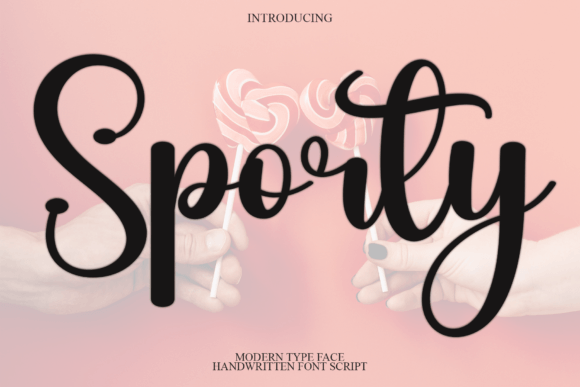
Sporty Font: The Handwritten Touch for Every Occasion
There’s something inherently inviting about a handwritten font. It adds warmth, personality, and a sense of authenticity to any design. That’s where Sporty comes in — a versatile script typeface that feels both charming and elegant. Whether you’re designing a wedding invitation or a modern business card, Sporty brings a natural, handcrafted look that elevates your message without overpowering it.
What Makes Sporty Unique?
Sporty isn’t just another pretty font. Its unique blend of casual flow and refined structure makes it stand out from the crowd. It mimics the ease of handwriting but with a polished edge, ensuring legibility while still capturing that personal touch. This balance is what makes it so adaptable across various applications and industries.
Wedding Invitations and Stationery
When it comes to weddings, the right font can set the tone for the entire event. Sporty is often used in wedding invitations because it conveys romance and sincerity. Its soft curves and gentle slant create a sense of intimacy, making guests feel like they're receiving a personal note rather than mass-produced paper.
- It pairs beautifully with serif fonts for headings or addresses.
- Ideal for rustic or vintage-themed weddings.
- Works well on save-the-dates, thank you cards, and programs.
Real-world example: A designer might use Sporty for the main body text of an invitation, while using a bold sans-serif for the names and venue. This contrast draws attention to key details while keeping the overall aesthetic cohesive.
Quotes and Greeting Cards
Handwritten fonts are especially popular in the world of quotes and greeting cards. They help convey emotion more effectively than standard typefaces. Sporty is no exception. Its fluid style allows for expressive letterforms that can bring life to motivational messages, birthday wishes, or holiday greetings.
If you’re creating digital greeting cards or printable quote art, consider how the spacing and rhythm of Sporty can affect readability. For longer texts, such as poetry or extended quotes, breaking up the lines and adding subtle line breaks helps maintain clarity and visual appeal.
Logos and Branding
Some brands thrive on a more personal image, and Sporty can be a perfect fit. Especially in industries like fashion, lifestyle, or wellness, a handwritten font can suggest creativity, approachability, and authenticity. Think boutique stores, yoga studios, or artisanal coffee shops.
- Use it sparingly in logos — too much script can become hard to read.
- Pair it with a clean sans-serif for taglines or supporting text.
- Consider different weights if available to add depth to your brand identity.
One practical tip is to test the font at different sizes. While it looks stunning on large banners, its elegance may get lost when scaled down for smaller elements like buttons or icons.
Business Cards and Personalized Marketing
In the business world, Sporty offers a refreshing alternative to traditional fonts. For entrepreneurs, freelancers, or creative professionals, a handwritten font on a business card can make a lasting impression. It suggests a human behind the product, which can be especially valuable in service-based industries like coaching, counseling, or consulting.
However, it's important to remember that not all businesses benefit from this style. If your brand requires a formal or corporate appearance, Sporty might not be the best choice. But for those who want to emphasize their personal connection with clients, it can work wonders.
How Different Audiences Can Use Sporty
The beauty of Sporty lies in its ability to adapt to different audiences and purposes. Let’s explore some of the most common user groups and how they can leverage this font:
Crafters and DIY Enthusiasts
For crafters, especially those into calligraphy or handmade goods, Sporty is a go-to option. It gives projects a finished, professional look without requiring advanced skills. You can use it in scrapbooking, custom labels, or even packaging designs.
A few things to keep in mind:
- Ensure proper alignment and spacing for a balanced layout.
- Choose warm colors like cream or brown to enhance the handwritten feel.
- Combine it with other decorative elements like watercolor or ink textures.
Event Planners and Wedding Designers
Event planners love Sporty for its flexibility and charm. From signage to table numbers, it adds a touch of class that complements many design styles. One planner shared that they’ve used it for menu boards and welcome signs, noting that it helped guests feel more connected to the event’s atmosphere.
Here’s a quick checklist for event use:
- Check legibility from a distance — especially for directional signs.
- Match the color scheme to the event’s theme.
- Consider using a lighter weight for background text or accents.
Graphic Designers and Print Shops
Designers appreciate Sporty for its broad range of applications. It’s not limited to one niche and can be adapted to suit multiple needs. Print shops often recommend it for personalized items like name tags, photo frames, or baby shower decorations.
One designer mentioned using Sporty in combination with geometric shapes for modern greeting cards. The contrast between structured layouts and flowing script created a compelling visual story that resonated with customers.
Small Business Owners and Startups
Small businesses looking to differentiate themselves from larger competitors can benefit from using Sporty in branding materials. It helps build a sense of trust and familiarity, which is crucial for customer relationships. For instance, a local bakery might use it on their logo or social media posts to reflect a home-cooked, family-friendly vibe.
Before choosing Sporty for your brand, ask yourself:
- Does my industry align with a more casual or artistic tone?
- Will it work across all platforms (print, web, mobile)?
- Can I pair it with another font that supports my brand’s message?
Common Considerations When Using Sporty
While Sporty is incredibly versatile, there are a few things to think about before incorporating it into your designs:
Legibility
Script fonts can sometimes be difficult to read, especially in small sizes or dense text blocks. To avoid this issue, ensure that each character has enough space around it. Avoid overusing ligatures unless they contribute to the overall readability and aesthetics.
Contrast and Pairing
Font pairing is essential. Sporty works best with contrasting fonts — typically a sans-serif or serif typeface. This contrast helps guide the viewer’s eye and prevents the design from feeling cluttered. For example, pairing Sporty with Helvetica or Georgia can create a balanced and visually appealing layout.
Color and Background
Another consideration is the color and background against which Sporty will appear. Lighter versions of the font can look washed out on bright backgrounds, while darker tones might dominate the design. Testing it in different scenarios ensures that it maintains its charm without becoming unreadable.
Printing Quality
High-quality printing is necessary to showcase the elegance of Sporty. Low-resolution prints can cause the fine strokes and serifs to blur, reducing the impact of the font. Always confirm print specifications before finalizing your project.
Strengths and Limitations of Sporty
Like any font, Sporty has its strengths and limitations. Understanding these can help you decide whether it’s the right fit for your next project.
Strengths
- Handwritten Feel: Perfect for designs needing a personal, authentic touch.
- Versatility: Suitable for both formal and informal contexts depending on styling.
- Emotional Impact: Evokes feelings of warmth, sincerity, and creativity.
Potential Limitations
- Not Ideal for Large Blocks of Text: Script fonts like Sporty are better suited for short phrases or headlines.
- May Require Licensing: Ensure you have the correct license if using it for commercial purposes.
- Accessibility Concerns: Some viewers may struggle to read it, especially those with dyslexia or visual impairments.
Despite these limitations, many users find ways to incorporate Sporty creatively. By using it selectively and thoughtfully, you can highlight key messages while maintaining accessibility and clarity.
Real-World Inspiration and Ideas
To spark your creativity, here are a few real-world ideas where Sporty could shine:
- Invitation Suite: Use it for the main message on a wedding invitation, paired with a bold sans-serif for names and dates.
- Logo Accent: Incorporate it into a logo’s tagline or subtitle to add a personal touch.
- Product Packaging: Add a handwritten label with a motivational phrase or company motto.
- Instagram Captions: For influencers or artists, using Sporty in captions can enhance the brand’s creative voice.
- Book Covers: Especially for self-published works, a handwritten title can grab attention and hint at the content’s tone.
Many designers also enjoy mixing it with subtle textures, like parchment or aged paper effects, to further enhance its organic feel. These touches can transform a simple design into something memorable.
Choosing the Right Format and Style
Depending on your platform, you’ll need to choose the appropriate format for using Sporty. Common options include TrueType (TTF), OpenType (OTF), and web-safe formats like WOFF or WOFF2. Each format has its pros and cons, so selecting the right one depends on your specific use case.
For online use, especially on websites or social media, consider the performance implications. Web fonts can increase load times if not optimized properly. Tools like Google Fonts or Adobe Typekit can help streamline the process by offering optimized versions and cross-browser compatibility.
Final Thoughts on Practical Application
Sporty isn’t just about looking good — it’s about connecting with your audience through thoughtful typography. Whether you're crafting a heartfelt message or building a brand that stands out, the right font can make all the difference. And with Sporty, you have a tool that’s both stylish and functional, ready to bring a handwritten flair to your next design.
As always, the key is to experiment and see how it fits within your specific context. Try it on mockups, test it in print, and let your instincts guide you. After all, great design is about finding the perfect balance between form and function — and Sporty does just that.